Search
Search our collection, stories, and categories.
For me, photography has always been about more than simply recording what appears in front of the lens. It is about recognising a moment, understanding the light and finding a composition that tells a story.
Sometimes that moment lasts only a fraction of a second. Other times, it means returning to the same location, waiting for the conditions to change and observing how the landscape reveals a different character.
Whether photographing historic architecture, coastal landscapes, wildlife or everyday life, I look for something that transforms an ordinary scene into an image worth remembering.
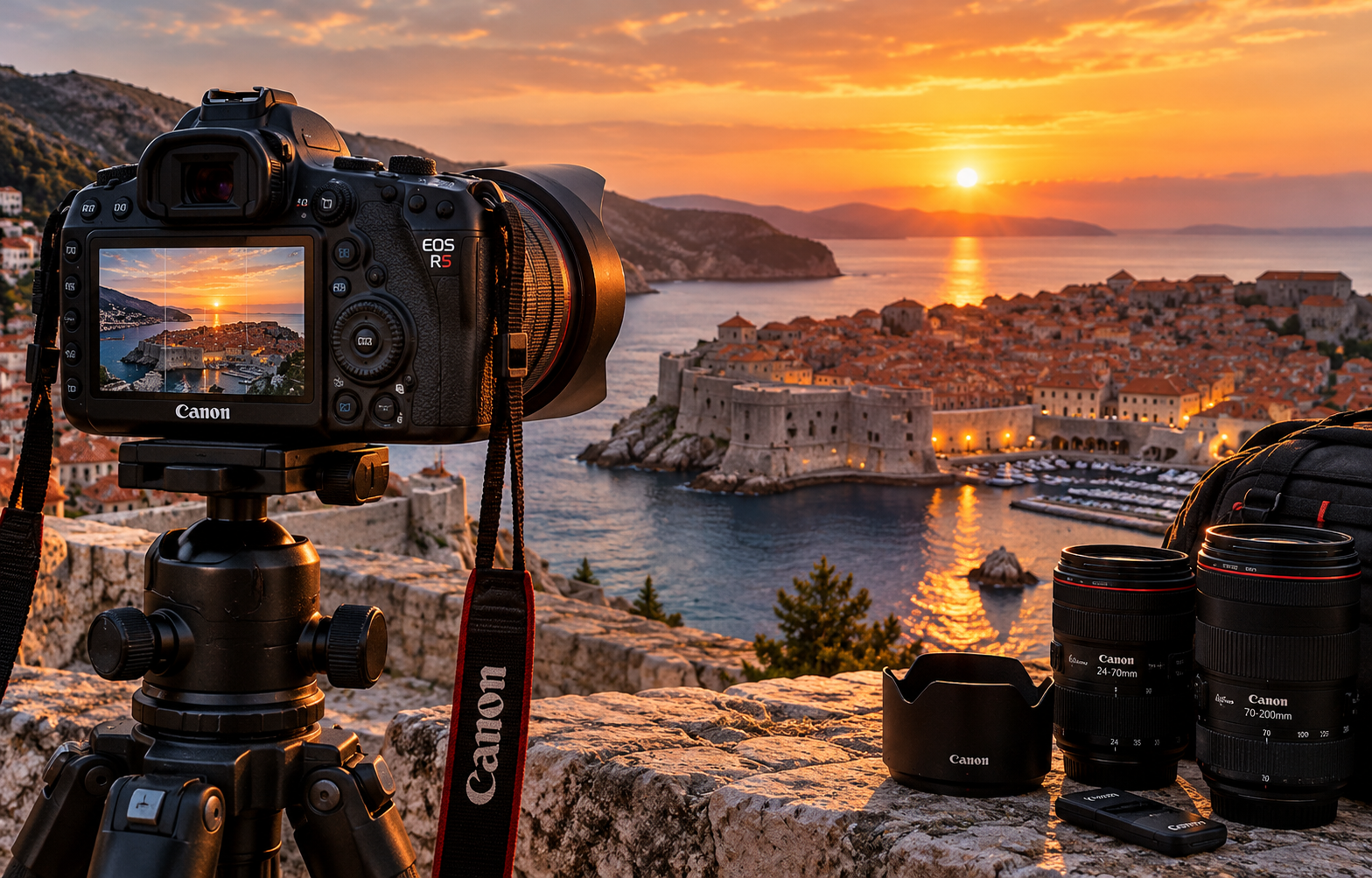
Canon photography equipment forms the focus of this introduction to cameras, lenses and photographic techniques.
A camera is an important tool, but understanding how to use it matters far more than simply owning the latest equipment.
Different lenses offer different creative possibilities. A wide-angle lens can capture the scale of a historic city or expansive landscape, while a telephoto lens allows the photographer to isolate distant details and explore perspectives that might otherwise be overlooked.
The choice of focal length, aperture, shutter speed and ISO all contribute to the final photograph.
For photographers interested in exploring Canon cameras, lenses and accessories, visit the official website:
Canon Australia: https://www.canon.com.au/
Light is one of the most important elements of photography.
The warm tones of early morning, the dramatic shadows of late afternoon and the subtle colours of an approaching storm can transform a familiar scene into something extraordinary.
Composition is equally important.
I pay attention to the relationship between shapes, textures, lines and empty space. Sometimes the strongest photograph is not the widest view but a small architectural detail, a quiet street or a moment that others might walk past without noticing.
Good photography requires patience, observation and the willingness to experiment.
Travel photography is particularly rewarding because every location has its own atmosphere and history.
Dubrovnik is an excellent example.
Its ancient stone walls, narrow streets and remarkable position overlooking the Adriatic create endless photographic opportunities.
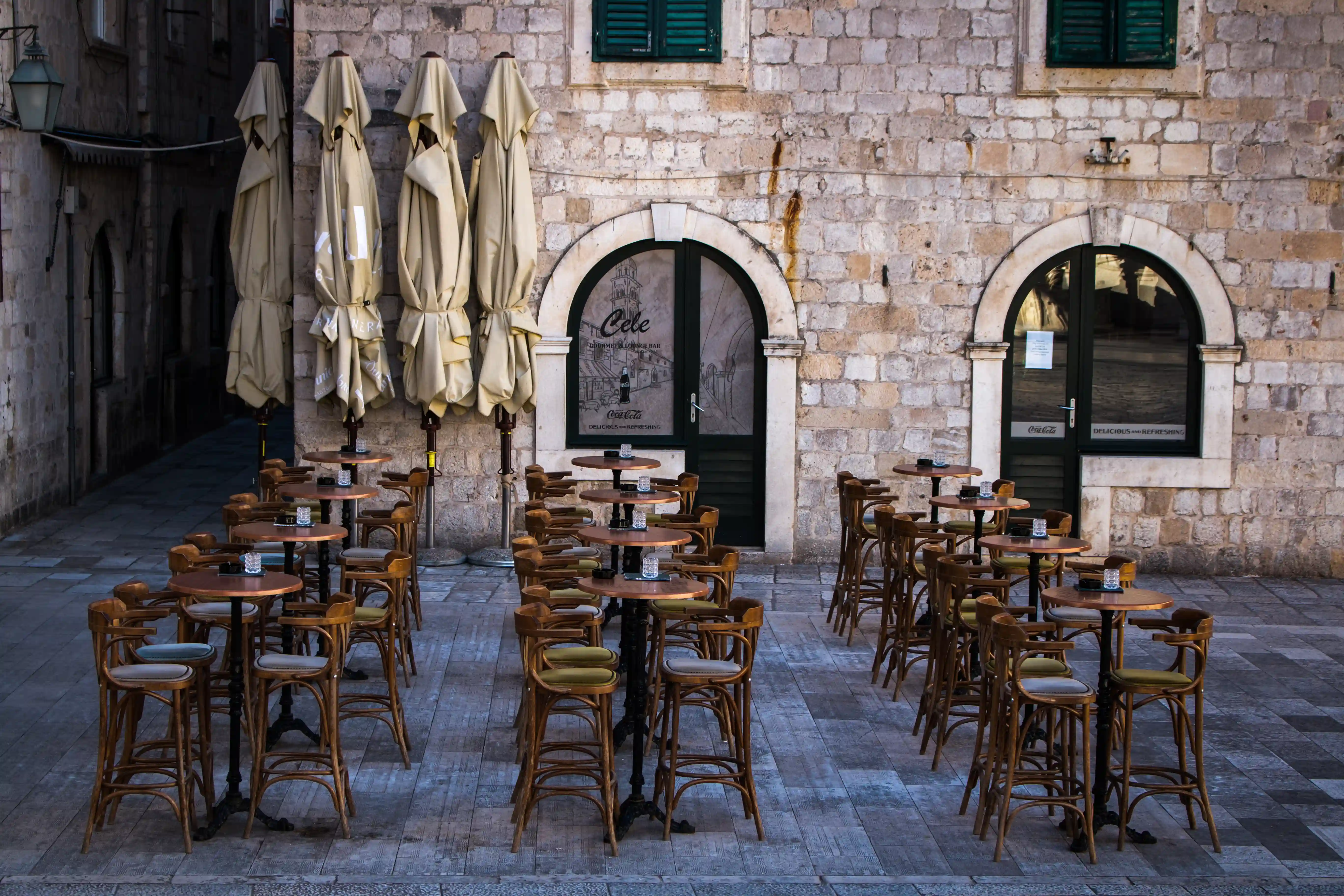
Beyond the familiar landmarks, I am interested in the textures of old buildings, the character of everyday streets and the relationship between architecture and natural light.
These details help tell the story of a place beyond the traditional postcard image.
Capturing the photograph is only the beginning.
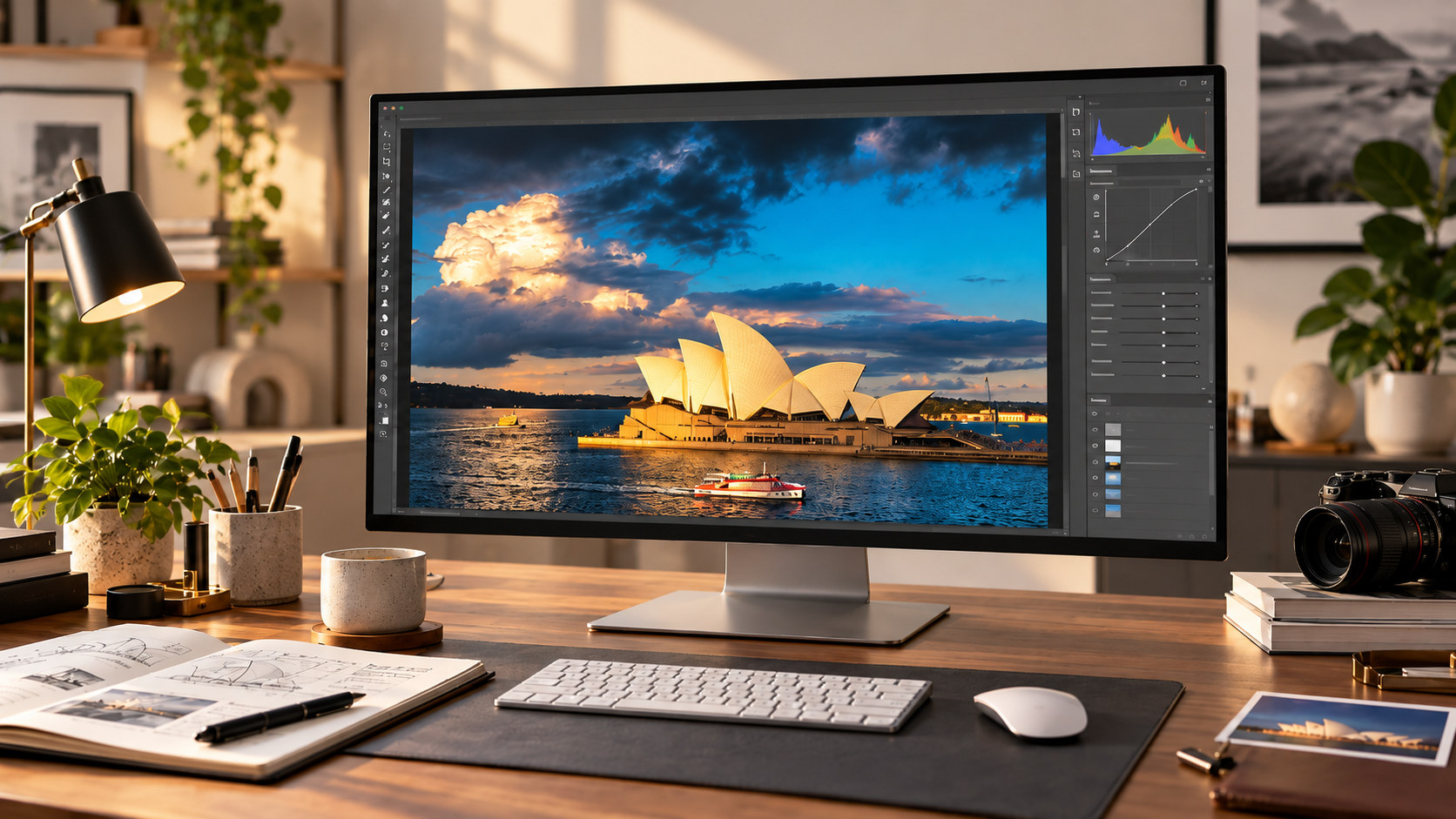
After reviewing the original image, attention turns to colour, tonal balance, contrast, detail and the overall atmosphere of the composition.
The objective is not simply to make an image brighter or more dramatic, but to ensure that the final photograph reflects the artistic vision behind it.
Preparing an image for a large-format fine art print introduces another level of consideration.
Resolution, sharpness, colour reproduction and paper selection all influence how the photograph is experienced.
At KUŠTRO Gallery, selected photographs are prepared as premium limited-edition fine art prints, with individual numbering and a Certificate of Authenticity.
The transition from a digital image to a physical artwork is an important part of the creative process.
Every photographer develops a personal way of seeing the world.
My approach continues to evolve through travel, observation, experimentation and the desire to create images that have meaning beyond the moment they were captured.
Technology provides extraordinary opportunities, but the photographer remains responsible for recognising the scene, choosing the composition and deciding when to press the shutter.
That personal interpretation is what makes photography an art form.
I invite you to explore my photographic collections at KUŠTRO Gallery and discover the places, moments and perspectives that have shaped my work.
Explore the Gallery: https://kustrogallery.com/